

The Studio
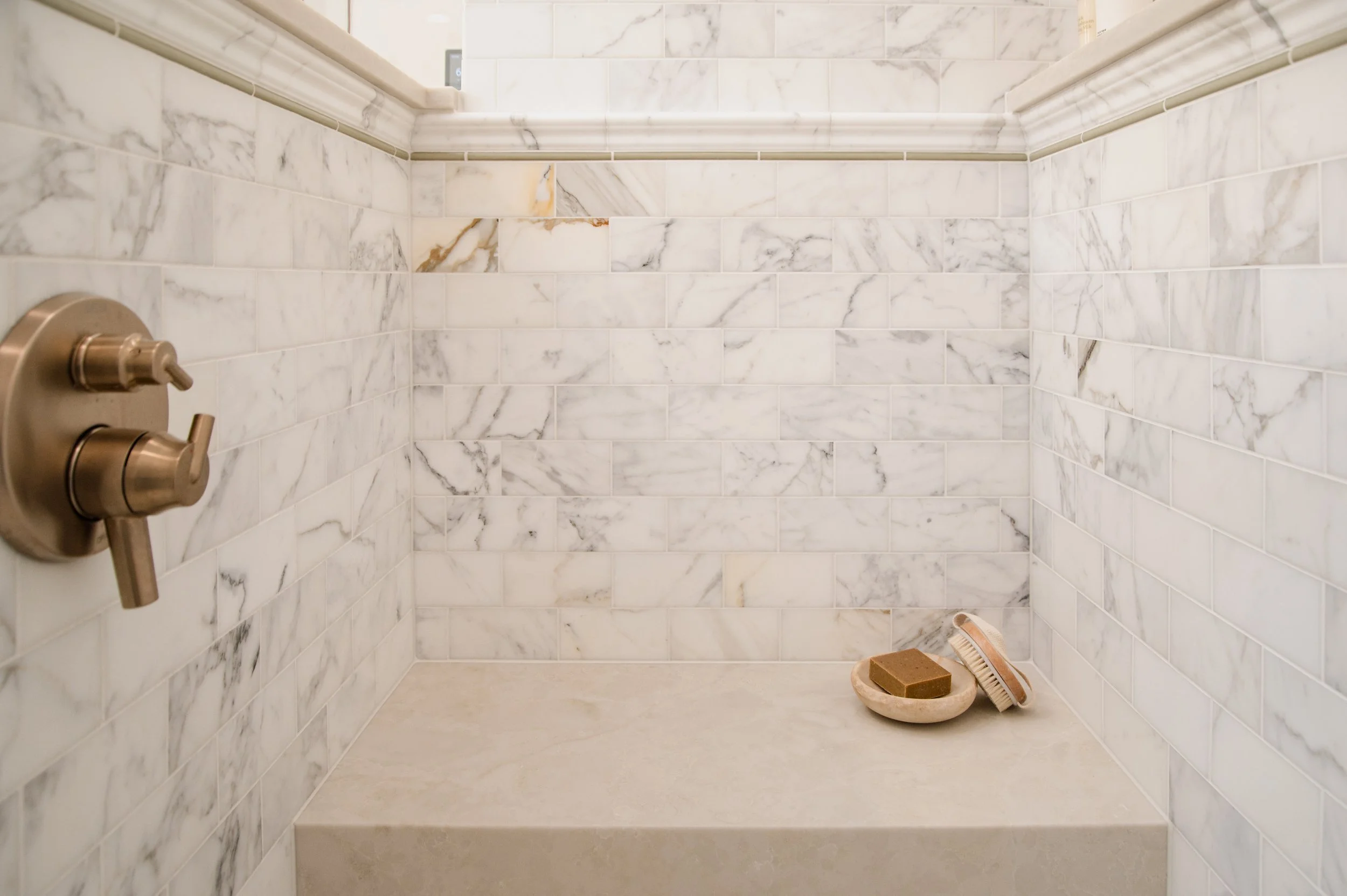
Riserva is an Italian word meaning ‘to set apart’ — something held back, given more time and care before being shared.
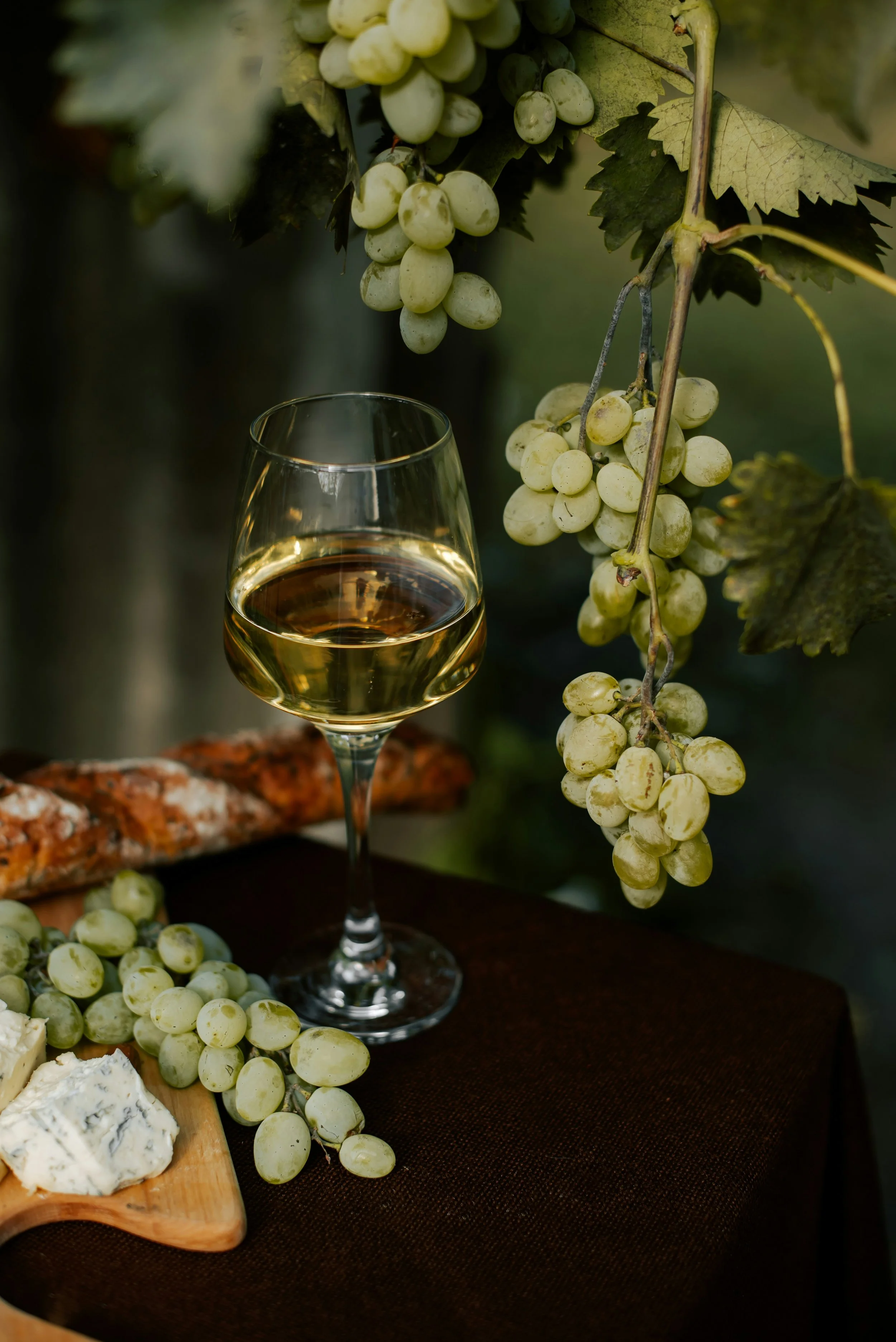

That idea sits at the core of the studio. The most meaningful spaces are unhurried, made by hand, and shaped over time.
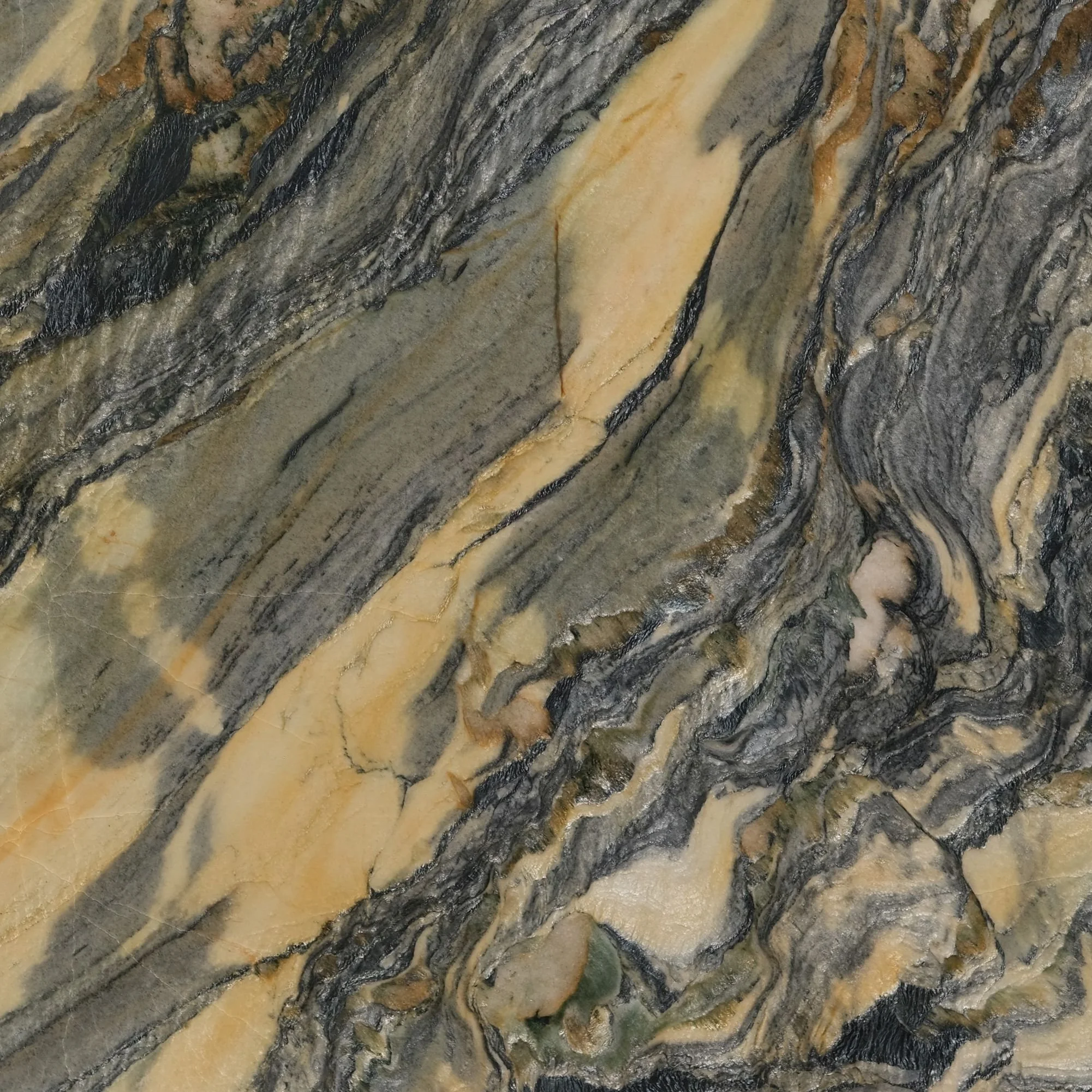
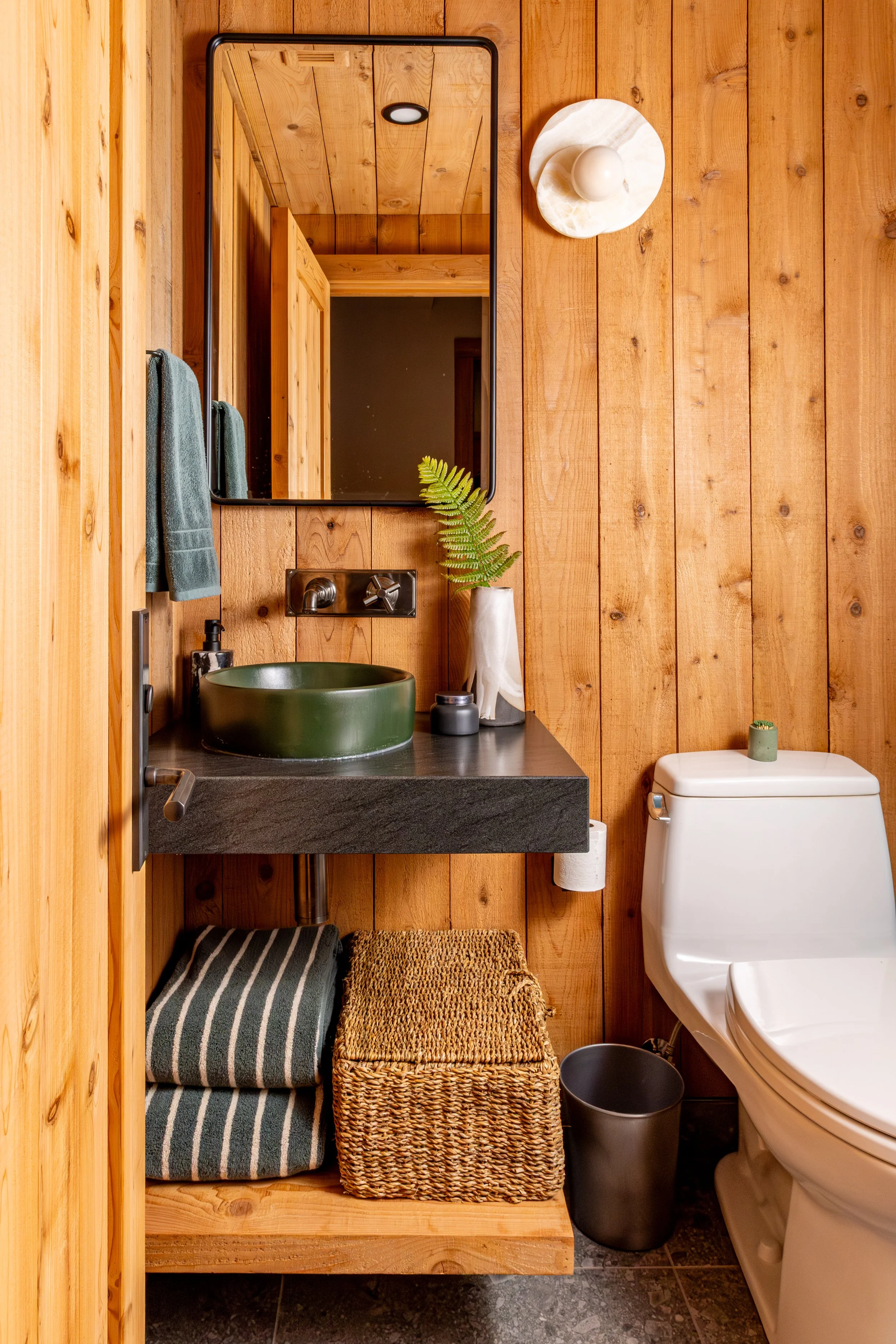
Riserva Interiors designs story-driven residential and hospitality spaces for people who want their spaces to carry something real — about who they are, where they are, and how they come together.

Meet Alex
Before founding Riserva, Alexandra's work spanned art, branding, and technology — from studying illustration and art history in New York and Florence, to designing for Ralph Lauren, to leading human-centered design at Google for products used by more than a billion people.
Across every chapter, her focus has remained the same: how design shapes experience, and how spaces can bring people closer together. That perspective is what shaped her return to interiors.
The pull started early, shaped by growing up around her father's contracting business and time spent in homes where materials, light, and daily life quietly revealed how a place could feel.
Through Riserva, she has come back to working with her hands, drawing on a deep appreciation for materiality, European craft, and the quiet details that reveal themselves over time. She designs interiors that accumulate meaning — intentional, tactile, and meant to be lived in.
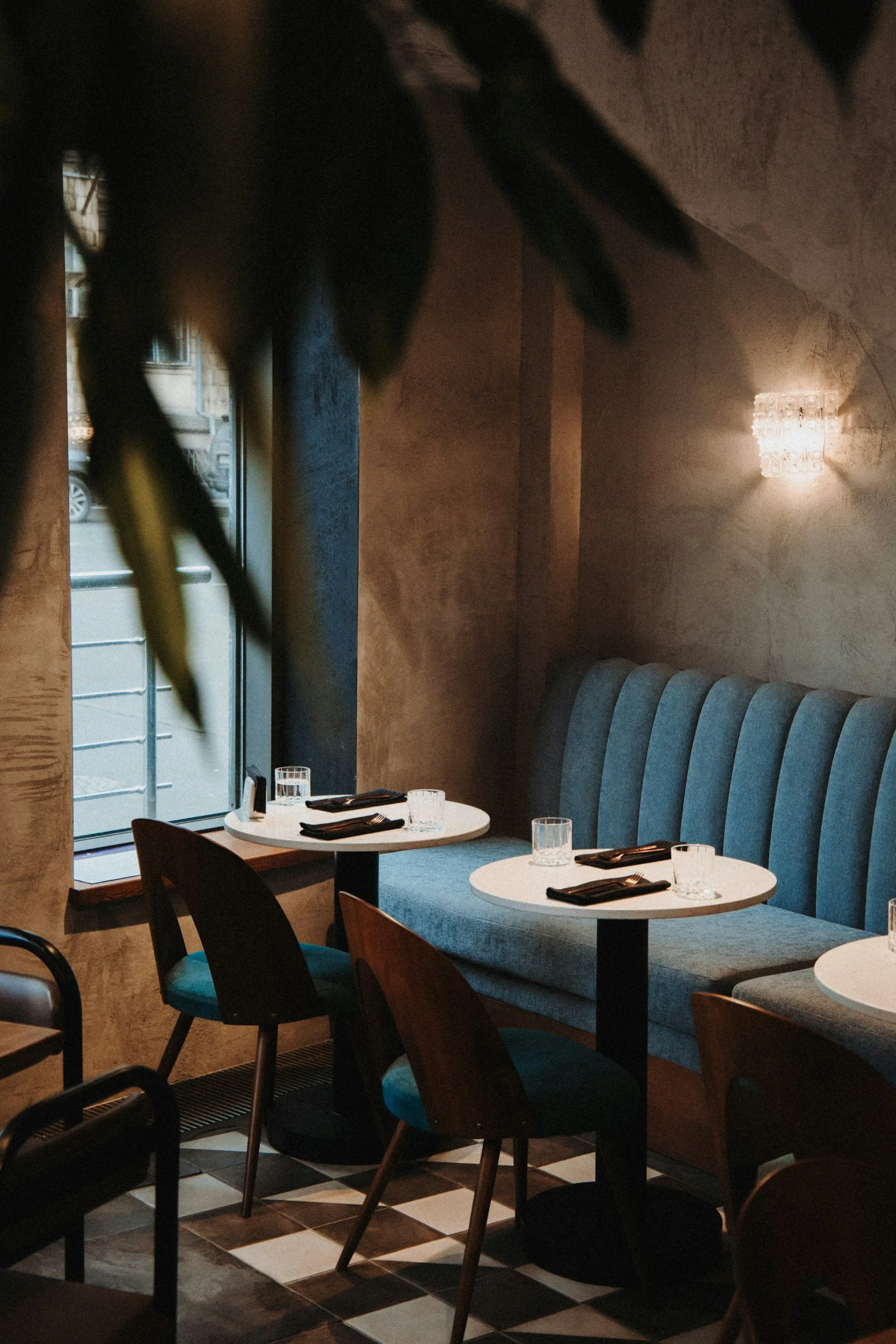
She’s especially drawn to projects where design, brand, and experience are intertwined: wineries, boutique hotels, restaurants with a point of view, and homes shaped around daily ritual, rest, and gathering.
Values
01 Lead with curiosity
Every project begins with questions, not assumptions.
02 Honor what’s already there
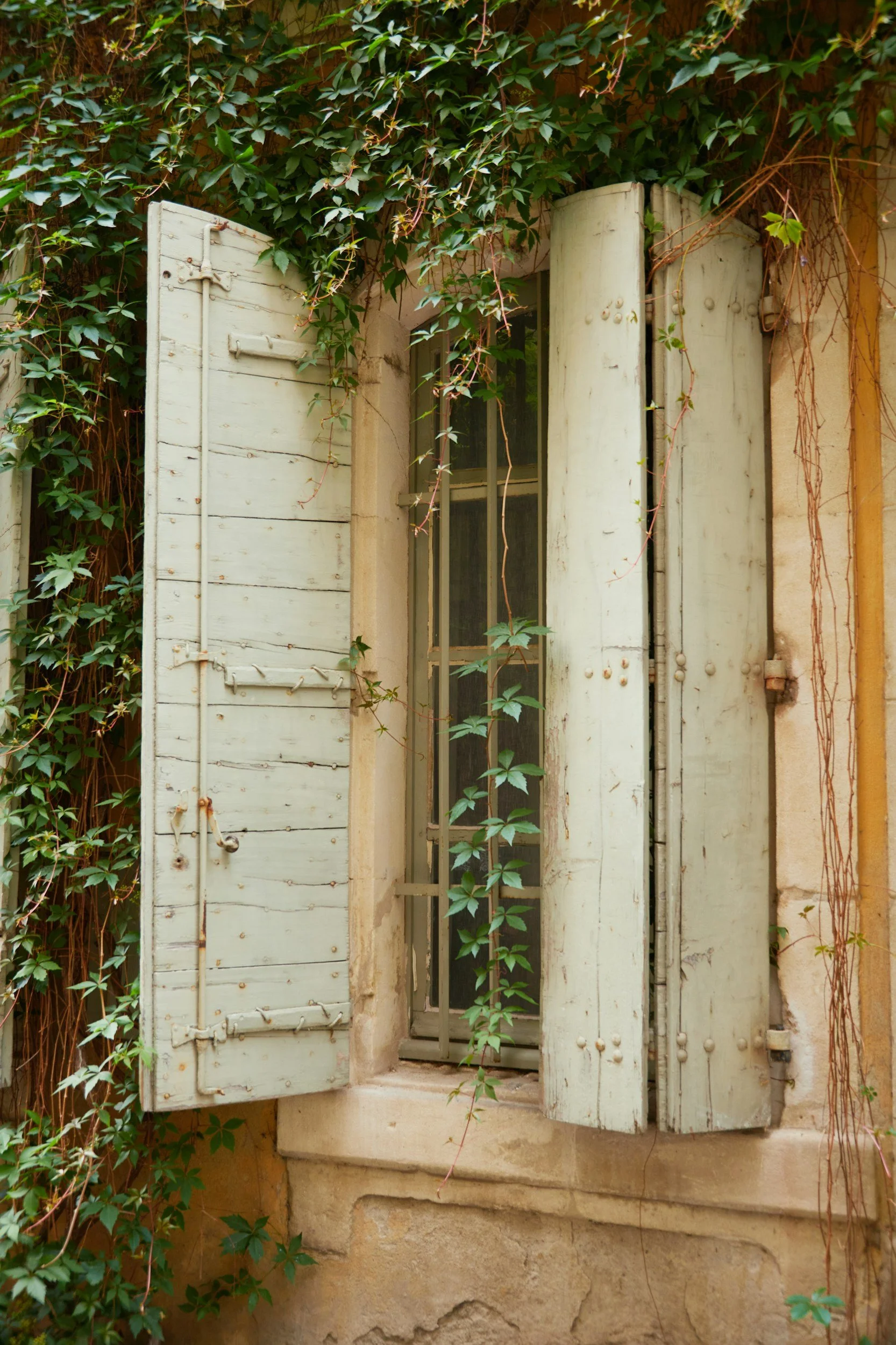
Uncover and elevate the story of a space rather than overwrite it.
03 Depth over surface
Intentional over immediate. Built to last, not just to impress.
04 Care in the details
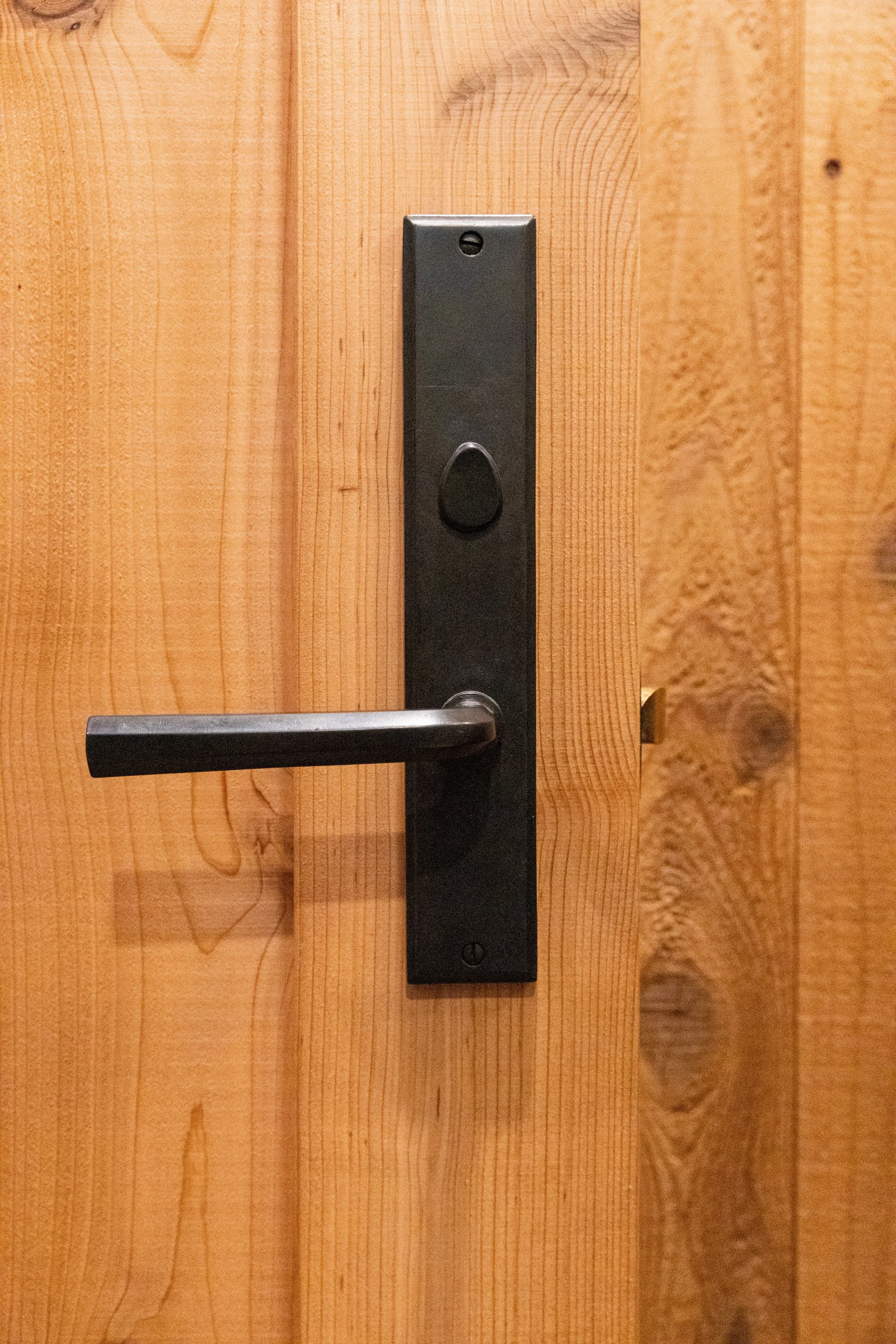
Materials, craftsmanship, and small decisions give a space its integrity.
05 Design for connection
Spaces should support how people come together and feel at ease.
Made by hand, made here